If you’ve browsed our matcha collection, you may have noticed that we don’t label our matcha as ceremonial, premium, or culinary grade. That’s deliberate. Searching for “ceremonial matcha” or “premium matcha” is the most common way people look for a high-quality powder, but these terms are far less reliable than they seem.
Here’s what they actually mean, and what to look for instead.
What Is Ceremonial Matcha?
Ceremonial matcha is generally described as the highest-quality matcha, meant to be whisked with water and drunk on its own, as in a traditional Japanese tea ceremony. Premium matcha usually sits just below it and is often positioned for daily drinking and lattes. Culinary matcha is typically sold for baking and cooking.
On paper, it sounds like a clear system. In reality, it isn’t.
Why the Matcha Grading System Is Misleading
1. There is no universal standard.
No global authority defines or enforces matcha grades. Each producer or brand can create its own categories based on its marketing, which leads to inconsistency from one product to the next.
2. Grades are subjective and market-driven.
Grades are set by the producer in Japan or the retailer in Belgium and elsewhere. A matcha sold as ceremonial matcha by one brand might only meet another brand’s premium or culinary standard.
3. Quality varies from producer to producer.
The real quality of matcha depends on cultivation methods, shading, harvest timing, stone-grinding, and storage. A single word on the label rarely captures any of this.
4. Sensory qualities matter more than labels.
The best way to judge premium matcha is with your senses, not a label. Look for:
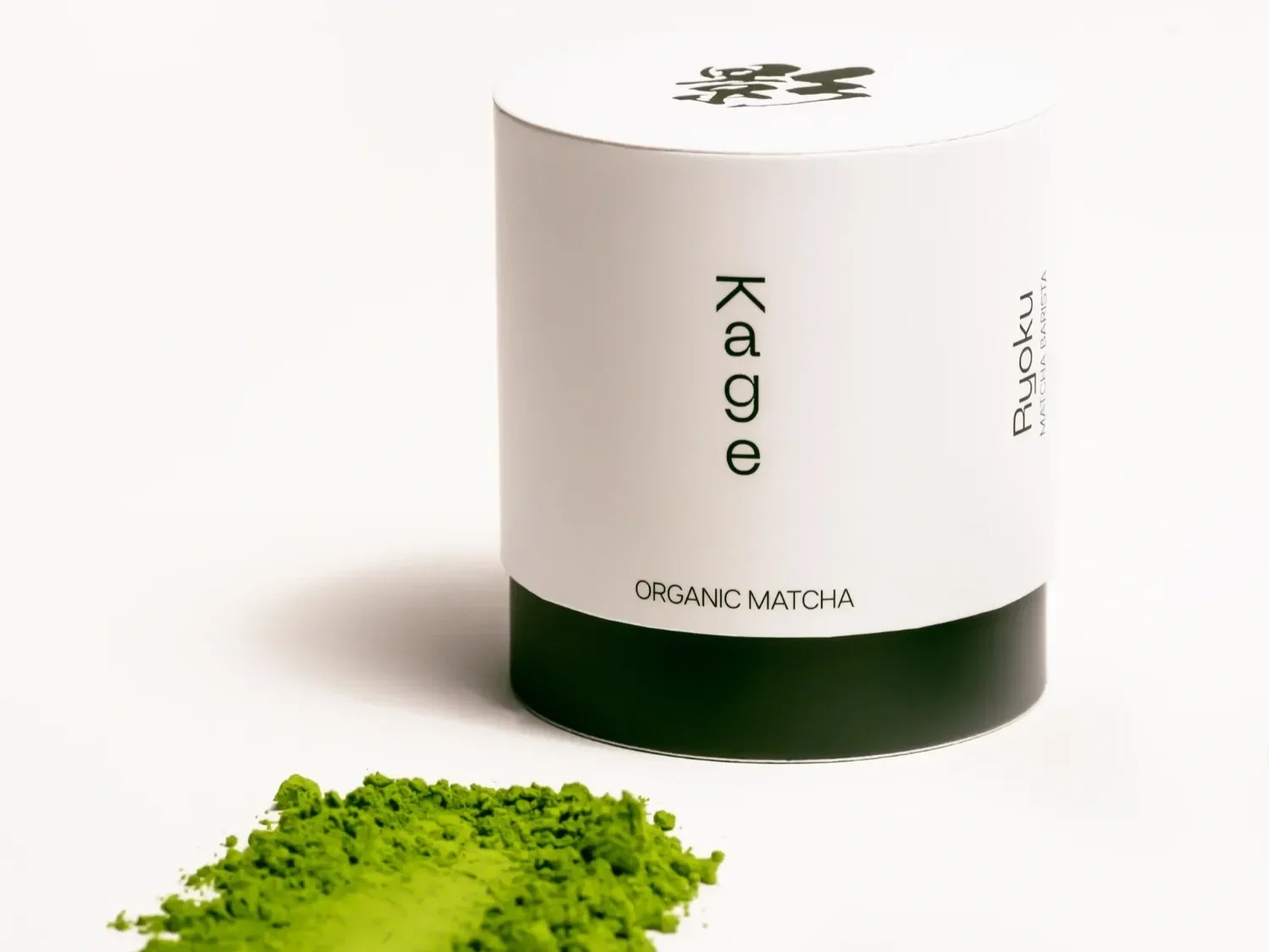
Color: a vibrant, bright green rather than dull, yellowish, or brown
Texture: a fine, silky powder that whisks into a smooth foam
Aroma: fresh and slightly sweet, never stale or hay-like
Taste: balanced umami with natural sweetness and minimal bitterness
5. Grades don’t dictate how you use matcha.
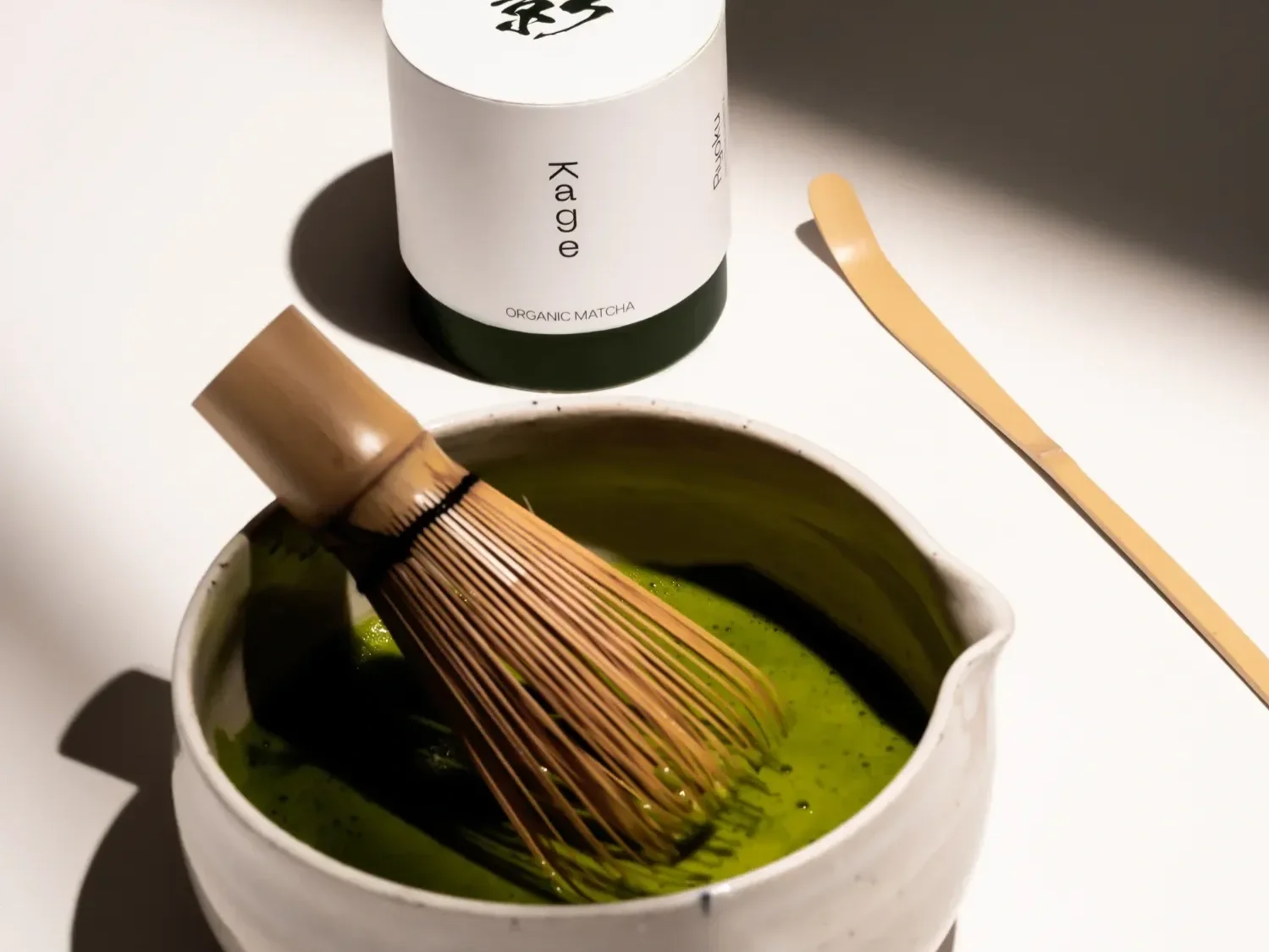
The idea that ceremonial matcha is only for drinking and culinary matcha only for cooking oversimplifies things. Quality matcha works beautifully in a traditional bowl, a matcha latte, a cocktail, or a dessert. See our matcha latte recipe for an easy way to start.
6. Marketing hype can inflate prices.
Some brands use words like “ceremonial” or “premium” to justify a higher price for matcha that may not deliver the quality to match. This is especially common in Western markets, where matcha is still less understood.
How to Choose High-Quality Matcha
Instead of relying on a grade, look at these signals:
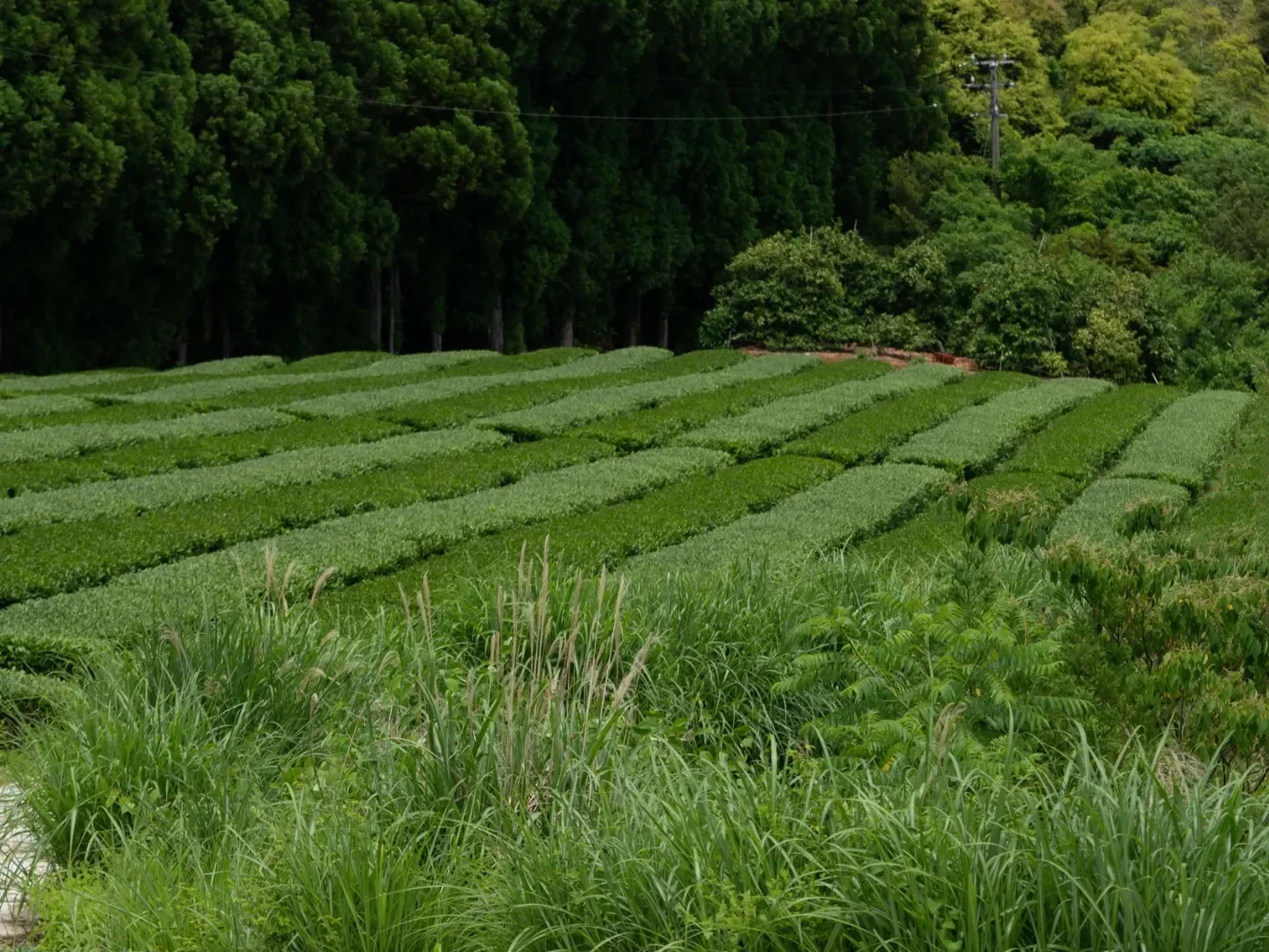
Origin: Matcha from respected Japanese, Chinese, Korean growing regions.
Cultivation: Shade-grown leaves (usually for several weeks before harvest) develop the umami and the deep green color.
Processing: Real matcha is made from tencha leaves and stone-ground slowly into a fine powder.
Transparency: Brands that explain where their matcha comes from and how it’s made are usually a safer bet than those that only use a label.
Our Approach at Kage
At Kage, we describe each matcha by its flavor profile, origin, and best uses so you can choose by taste rather than by a label. Browse our matcha collection to find the one that fits how you like to drink it, whether whisked traditionally or in a latte.
Frequently Asked Questions
Is ceremonial matcha better than premium matcha?
Not necessarily. Since there is no official standard, the two terms mean different things to different brands. Judge a matcha by its color, aroma, texture, and taste.
Can I use ceremonial matcha in a latte?
Yes. High-quality matcha works well in lattes, and many people prefer it because it’s smooth and less bitter.
What does premium matcha taste like?
Good matcha is smooth and slightly sweet, with a fresh, savory umami depth and little bitterness.
How can I tell if matcha is high quality?
Look for a bright green color, a fine powder, a fresh aroma, a transparent origin, and a smooth, balanced taste.