

If you want to choose a better matcha, learning about matcha cultivars is one of the most useful things you can do. A cultivar is a plant variety selected and cultivated for specific traits, such as flavor, growth habit, color, or disease resistance. The word comes from “cultivated variety.”
In tea, the cultivar of the Camellia sinensis plant has a major influence on the flavor, aroma, color, and overall quality of your matcha. This guide focuses mainly on Japanese matcha cultivars, then explains how Chinese cultivars fit in.
Why Matcha Cultivars Matter
1. Flavor profiles depend on the cultivar
Each matcha cultivar has its own balance of umami, sweetness, bitterness, and astringency. Here are the most common ones:
CULTIVARS
Ujihikari: Well-balanced umami with a slight astringency. Robust and full-bodied.
Samidori: Rich umami and a vibrant green color. Smooth and deep.
Tsuyuhikari: Smooth texture and natural sweetness with a mild, almost creamy profile.
Fushuun: Delicate and well-rounded, with a hint of floral notes and sweetness.
Sayama Kaori: Complex and aromatic, with subtle sweetness and a rounded body.
Saemidori: Sweet and mild, ideal for a smooth, easy-drinking matcha.
Yabukita: Versatile, with a balance of umami and bitterness. Often used for blending.
Okumidori: Fresh and balanced, with a lasting depth of flavor.
2. Color and appearance
Some cultivars, such as Samidori and Ujihikari, are known for producing matcha with a vivid green color. A bright green is a good sign of freshness and careful shading. Matcha from cultivars with less chlorophyll can look duller or more yellowish, which many buyers read as lower quality.
3. Aroma and complexity
Cultivars also have distinct aromatic profiles:
Saemidori often has floral or fruity notes and a lighter, more fragrant aroma.
Samidori has a deeper, richer aroma that matches its umami profile.
Tsuyuhikari has a smooth, sweet scent.
Sayama Kaori is more complex, with herbal, slightly grassy undertones.
4. Regional specialties
Japanese tea regions often specialize in particular cultivars, so the region can tell you a lot about the matcha:
Uji (Kyoto): Ujihikari, Samidori
Yame (Fukuoka): Yabukita, Okumidori, Saemidori
Sayama (Saitama): Sayama Kaori and blends of various cultivars
5. Growing and processing
Cultivars vary in how well they handle shading, a crucial step in growing matcha. Shading increases L-theanine, which enhances umami, and chlorophyll, which gives the vibrant green color. Samidori is known to respond very well to shading, which makes it a top choice for high-quality matcha. Tsuyuhikari and Sayama Kaori also give excellent results when shaded.
6. Consistency and transparency
Matcha made from a single cultivar offers more consistent flavor and quality. Knowing the cultivar also tells you something about the producer: high-quality producers often disclose the cultivars they use, while lower-quality or heavily blended matcha may not.
Japanese and Chinese Matcha Cultivars
This guide concentrates on Japanese matcha cultivars, since Japan is the traditional home of matcha. However, matcha is also produced in China, and Chinese cultivars exist too. They have their own flavor profiles, often distinct from Japanese varieties. At Kage, we offer both Japanese and Chinese matcha so you can explore the differences in taste for yourself.
Matcha Cultivars at Kage
We like to let the cultivar guide your choice, so here are two of our matchas and the cultivars behind them:
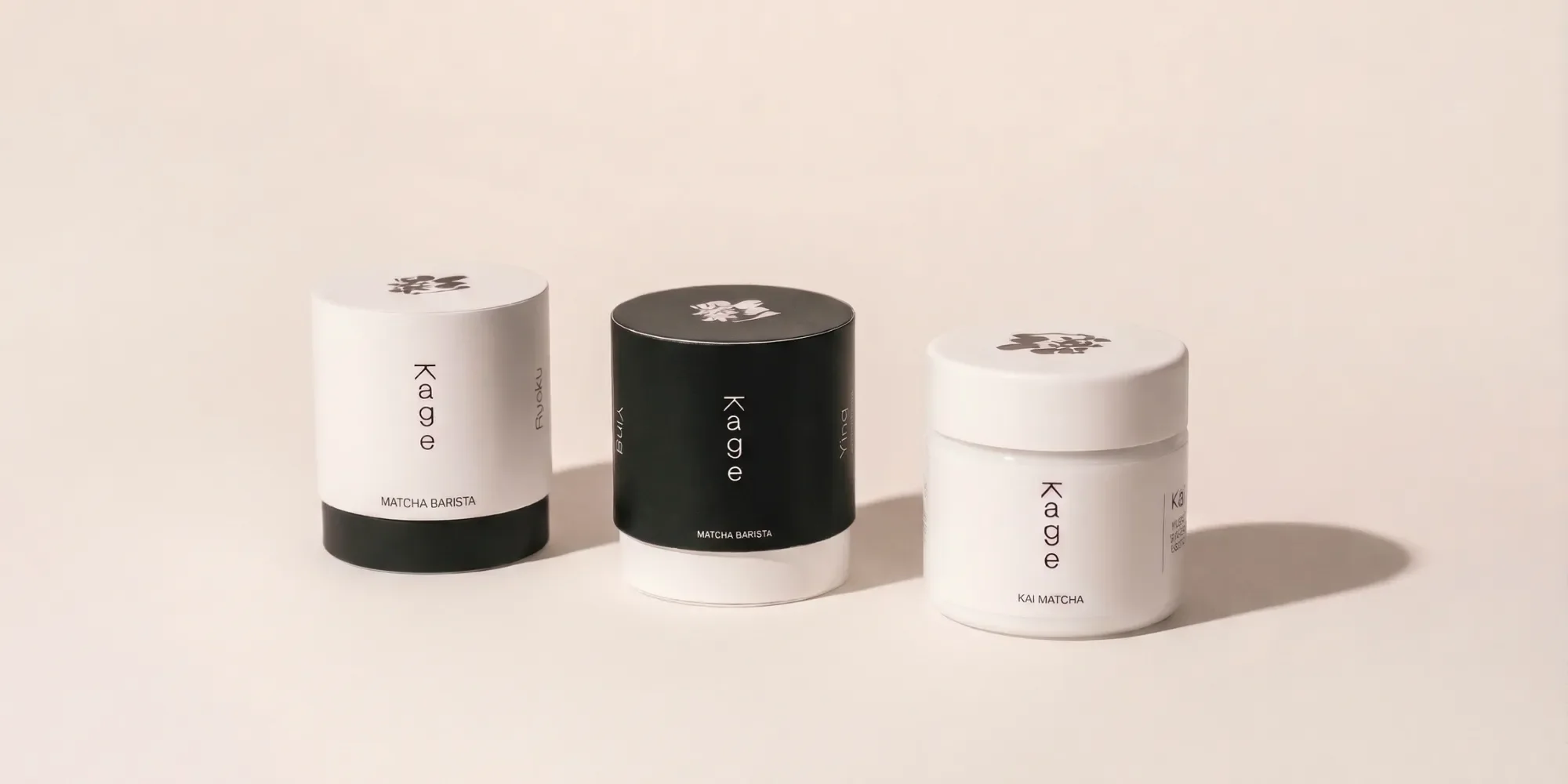
Ryoku matcha: made from Yabukita and Okumidori, a balanced matcha with a good mix of umami and depth.
Kai matcha: made from Tsuyuhikari, smooth and naturally sweet with a mild, creamy profile.
Ying matcha: a Chinese matcha grown in Zhejiang from the Longjing 23 cultivar, for those who want to explore how a Chinese cultivar tastes compared with Japanese ones.
Frequently Asked Questions
What is a matcha cultivar?
A matcha cultivar is a variety of the tea plant selected for specific traits such as flavor, color, and suitability for shading.
Which matcha cultivar is the best?
There is no single best cultivar. Samidori is prized for umami and color, Tsuyuhikari for sweetness, and Yabukita for its balance. The right one depends on your taste.
What is the most common matcha cultivar?
Yabukita is one of the most widely grown tea cultivars in Japan and is often used in blends.
Are there Chinese matcha cultivars?
Yes. Matcha is also produced in China from Chinese cultivars, which can taste different from Japanese ones.
Why do some brands not mention the cultivar?
Blended matcha may combine several cultivars, and some brands simply don’t share the information. Brands that disclose their cultivars are generally more transparent.
